

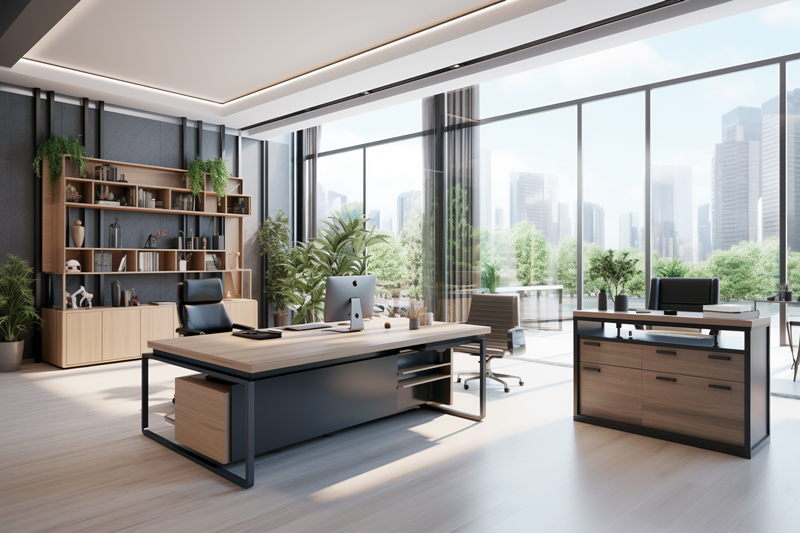
The evolution of the workspace has been significant over the past few decades. Modern offices are not only functional but are designed to inspire, facilitate collaboration, and support the well-being of their occupants. Here’s how cutting-edge design is making today’s workspace more dynamic and inspiring.
1. Designing for Flexibility: Modern workspaces prioritize flexibility to accommodate a range of activities from focused work to collaborative projects. This might involve modular furniture, reconfigurable spaces, and areas designated for different types of work, such as quiet zones, brainstorming rooms, and social hubs.
2. Enhancing Collaboration: The design of a workspace can significantly influence collaboration. Open floor plans are popular for promoting a collaborative environment. However, the challenge is to balance this with the need for private spaces where employees can concentrate without distractions. Incorporating elements like acoustic panels, soundproof meeting pods, and strategically placed communal areas can optimize both collaboration and privacy.
3. Prioritizing Well-being: Employee well-being is crucial for productivity and job satisfaction. Modern workspaces are incorporating more natural light, ergonomic furniture, and wellness areas such as relaxation zones, gyms, or meditation rooms. Even small additions like plants or art can enhance the aesthetic appeal and contribute to a healthier work environment.
4. Integrating Nature: Biophilic design continues to gain momentum in workspace design. Integrating elements of nature into the office not only reduces stress but also increases creativity and clarity of thought. This can be achieved through living green walls, indoor gardens, water features, and the extensive use of natural materials and colors.
5. Utilizing Color Psychology: Colors profoundly impact mood and energy levels. Choosing the right palette for a workspace can enhance productivity and creativity. For instance, blue is often used to foster a calm and focused atmosphere, while yellow can inspire and energize. Thoughtful use of color can transform the feel of a space and influence the well-being and productivity of its users.
6. Embracing Local Culture and Art: Incorporating local art and cultural elements can make workspaces feel more personalized and inspiring. This not only supports local artists but also strengthens the connection employees feel to their community and workspace, fostering a sense of pride and belonging.
Conclusion: Inspired spaces in today’s workspaces are essential for nurturing innovation and productivity. By thoughtfully designing environments that cater to the multifaceted needs of modern professionals, companies can cultivate spaces that not only meet functional requirements but also elevate the human spirit. The future of work is not just about where we work, but how our environments can inspire and support us in doing our best work.
The transformation of workspaces into places of inspiration and efficiency reflects a deeper understanding of how our environment affects our work behavior, mood, and overall health. As we continue to innovate in workspace design, the potential to positively impact productivity and employee satisfaction is immense.